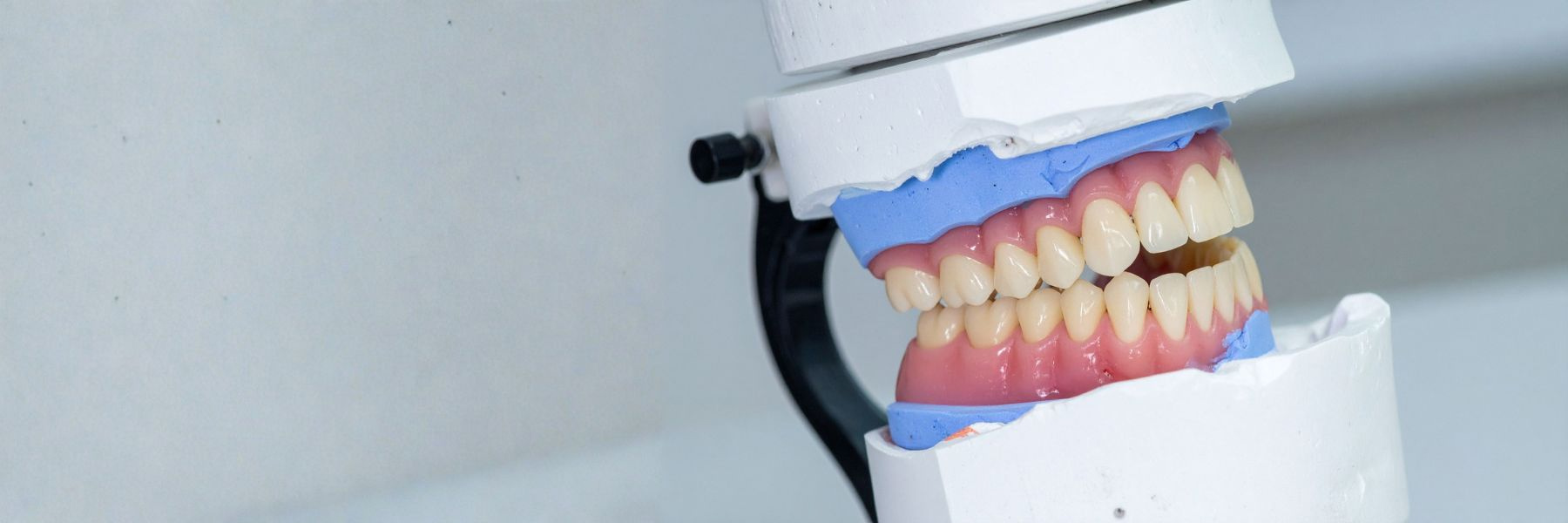

Losing a tooth changes the mechanics of your mouth and how your teeth fit and function together. The teeth beside the opening left by a missing tooth may gradually tilt inward, while the opposing tooth can move farther into the empty space. These changes may affect chewing, create new areas where food collects, and alter how biting forces are distributed across the dental arch. A dental bridge closes that problematic space with a fixed, custom-made restoration. For many patients considering dental bridges in Philadelphia, PA, it offers a nonsurgical way to rebuild appearance and restore function.
The Structure of a Dental Bridge
A traditional bridge usually contains three connected units. The artificial tooth in the center is called a pontic. Crowns on either side fit over supporting teeth known as abutments.
Those abutment teeth do more than keep the bridge from moving. Through their roots and periodontal ligaments, they absorb and transfer chewing forces into the surrounding bone. This is why the health, position, and strength of the supporting teeth must be evaluated carefully before treatment.
A bridge may be made from ceramic, zirconia, porcelain fused to metal, or another dental material. The choice depends on the tooth’s location, the patient’s bite, cosmetic priorities, and the amount of force the restoration must withstand.
How the Dental Bridge Process Works
Dr. Lee Schriftman or Dr. Javier Ambriz first examines the missing-tooth area, supporting teeth, gums, and bite. X-rays may be needed to evaluate the roots and bone.
For a conventional bridge, the abutment teeth are reshaped to create room for crowns. A scan or impression records the prepared teeth and the way the upper and lower arches meet. Patients typically wear a temporary bridge while the dental laboratory creates the final restoration.
At the placement visit, the dentist checks the margins, contacts, color, and bite before securing the bridge with dental cement. Precise fit matters. Uneven pressure can overload an abutment tooth, while an open margin may allow bacteria to reach the tooth beneath the crown. The dentists at The Philadelphia Dentist have years of experience providing precise, long-lasting dentistry.
What Happens If My Tooth Needs to Be Removed?
Sometimes a patient begins treatment with a badly fractured, infected, or unrestorable tooth rather than an existing gap. When extraction is necessary, The Philadelphia Dentist can relieve the immediate problem and help plan what comes next.
The gum and extraction site may need time to heal before a final bridge is made. Because bone naturally remodels after tooth loss, timing and tissue shape are considered when designing the pontic. A temporary restoration may also be discussed, depending on the location of the tooth and the clinical situation.
Protecting Your Bridge and Supporting Teeth
A bridge cannot develop decay, but the natural teeth underneath it can. Brush along the crown margins and clean beneath the pontic daily with a floss threader, interdental brush, or water flosser. Regular examinations allow the dentist to monitor the cement seal, gum tissue, bite, and supporting teeth.
To learn whether a bridge is the right tooth-replacement option, Call us at (215) 342-7718 or schedule an evaluation with The Philadelphia Dentist in Philadelphia, PA.